
TL;DR
Prime for Young Adults — start your free trial
Fast free delivery, streaming and member deals for eligible 18–24 year olds.
Try it freeAs an affiliate, we earn on qualifying purchases.
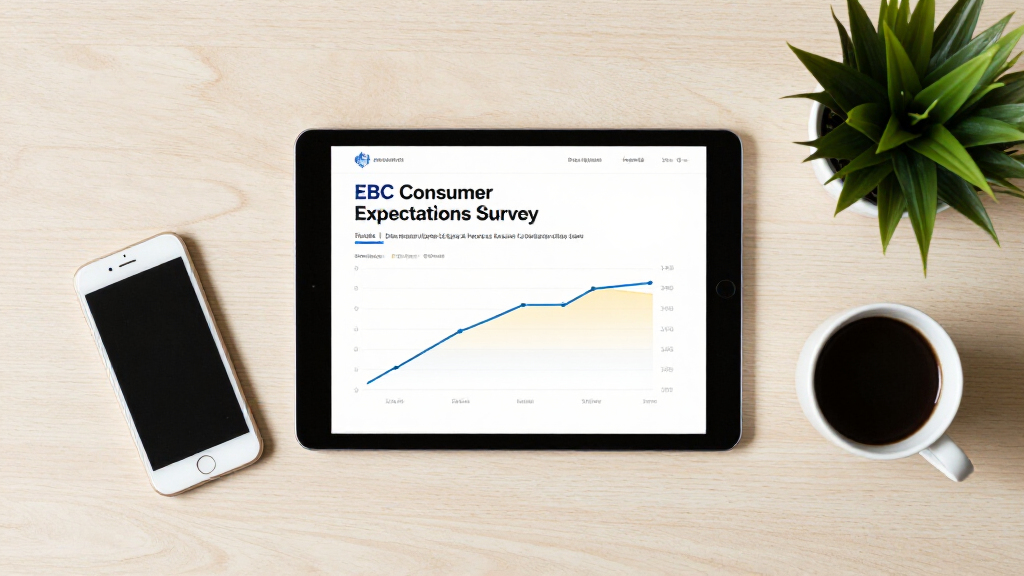
The European Central Bank’s July 2026 Consumer Expectations Survey indicates consumer confidence is still fragile, with expectations for inflation and economic growth remaining cautious. The results highlight ongoing concerns about the economic outlook amid global uncertainties.
The European Central Bank published its Consumer Expectations Survey for July 2026, showing that consumer confidence remains subdued across the Eurozone amid ongoing economic uncertainties. The survey indicates that consumers are cautious about future inflation and economic growth, which could influence upcoming monetary policy decisions.
The July 2026 survey, conducted among a representative sample of European households, reveals that consumer confidence levels have not improved significantly since the previous quarter. Expectations for inflation over the next 12 months remain elevated at an average of 3.2%, close to recent highs, according to the ECB. Additionally, consumers anticipate modest economic growth, with 45% expecting the economy to either stagnate or decline in the coming year.
ECB officials have noted that these sentiment indicators are consistent with ongoing cautiousness among households, partly driven by persistent inflationary pressures and geopolitical uncertainties. The survey also shows that household savings rates remain high, suggesting consumers are wary of increased economic risks and are prioritizing financial security.
While consumer expectations for job security and income growth remain relatively stable, the overall sentiment reflects a cautious outlook that could impact consumption patterns across the Eurozone. The ECB has emphasized that consumer confidence is a key factor in its assessment of inflationary pressures and economic momentum.
Implications of Consumer Caution for Eurozone Economy
The survey results are significant because persistent consumer caution can lead to subdued spending, which may slow economic growth across the Eurozone. This could influence the ECB’s monetary policy stance, especially if consumer sentiment remains weak and inflation stays high. The data suggests that households are more focused on saving than spending, potentially dampening demand-driven growth.
Furthermore, the unchanged inflation expectations indicate that consumers do not foresee a quick easing of price pressures, which could reinforce the ECB’s cautious approach to interest rate adjustments. The survey underscores the importance of consumer sentiment as a forward-looking indicator for economic activity and inflation.
As an affiliate, we earn on qualifying purchases.
Recent Economic Conditions and Consumer Sentiment Trends
Since the start of 2026, the Eurozone has faced ongoing inflationary pressures, with consumer prices rising by an average of 4.1% annually, according to Eurostat. Despite some signs of stabilization, inflation remains above the ECB’s target of 2%, prompting the central bank to maintain high interest rates. Economic growth has been modest, with quarterly GDP expansions averaging around 0.2%, and geopolitical tensions, including energy supply concerns, continue to weigh on consumer confidence.
The July 2026 survey builds on previous results from earlier this year, which also indicated subdued consumer optimism. The ECB has repeatedly stated that consumer sentiment is a critical component in its monetary policy outlook, especially as inflation remains sticky and economic growth sluggish.
personal finance software for budgeting
As an affiliate, we earn on qualifying purchases.
As an affiliate, we earn on qualifying purchases.
Uncertainties Surrounding Future Consumer Behavior
It is still unclear how consumer sentiment will evolve in the coming months, especially as geopolitical risks and inflation dynamics remain volatile. The survey’s results reflect current expectations but may change if economic conditions improve or worsen unexpectedly. The ECB has not yet indicated whether these sentiment trends will lead to policy adjustments, leaving some uncertainty about future monetary moves.
savings accounts for students 2026
As an affiliate, we earn on qualifying purchases.
As an affiliate, we earn on qualifying purchases.
Next Steps for Monitoring Consumer Confidence and Policy
The ECB is expected to continue monitoring consumer sentiment closely, alongside inflation and economic growth data. Upcoming economic releases, including retail sales and employment figures, will provide further insight into whether consumer caution persists. The central bank may also adjust its communication strategy to influence expectations if sentiment remains weak.
financial planning tools for Eurozone consumers
As an affiliate, we earn on qualifying purchases.
As an affiliate, we earn on qualifying purchases.
Key Questions
What does the ECB’s July 2026 survey reveal about consumer confidence?
The survey shows that consumer confidence remains subdued, with expectations for inflation remaining high and economic outlook cautious across the Eurozone.
How might these survey results affect ECB policies?
Persistent consumer caution and high inflation expectations could lead the ECB to maintain or tighten interest rates, depending on upcoming economic data.
Are there signs of improvement in consumer sentiment?
According to the latest survey, there are no significant signs of improvement; confidence remains fragile amid ongoing inflation and geopolitical uncertainties.
What factors are influencing consumer expectations in July 2026?
Inflationary pressures, geopolitical tensions, and economic growth prospects are key factors shaping consumer expectations.
When will the ECB release further updates on economic outlooks?
The ECB will publish upcoming economic forecasts and policy statements, with the next major update expected during its scheduled meetings later this year.
Source: primary
Fall Picks
fall essentials
As an affiliate, we earn on qualifying purchases.