
TL;DR
Open a free Amazon Business account
Business pricing, bulk buying and tax-exempt orders.
Create a free accountAs an affiliate, we earn on qualifying purchases.
The European Central Bank reports that cash continues to be the most common payment method in the euro area. Despite growth in digital payments, cash remains dominant, raising questions about future trends.
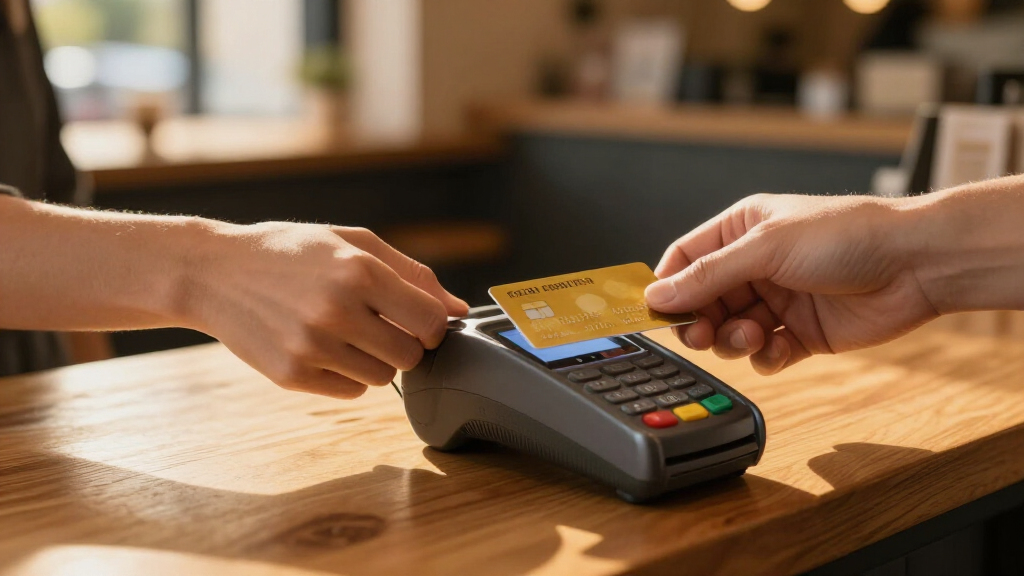
The European Central Bank (ECB) has confirmed that cash remains the most widely accepted and used payment method in the euro area. This development highlights the continued reliance on physical currency despite the expansion of digital payment options, and it is significant for policymakers, businesses, and consumers alike.
The ECB’s recent survey indicates that cash accounts for approximately 73% of all transactions in the eurozone, making it the dominant payment method. Digital payments, including card payments and mobile transfers, have been steadily increasing but have not yet surpassed cash in overall usage.
The report, based on data collected from various member states, shows that cash remains especially prevalent among older populations and in rural areas. Meanwhile, younger consumers and urban residents tend to favor digital options, but cash still holds a significant share across demographics.
According to the ECB, the persistence of cash usage is partly due to consumer preferences for privacy and security, as well as concerns about digital security and access to banking services. The central bank emphasizes that cash provides a reliable, universally accepted means of payment, especially during disruptions or emergencies.
Why Cash’s Dominance Matters in the Eurozone
The continued dominance of cash in the euro area has implications for monetary policy, financial inclusion, and security. It suggests that despite the push for digital transformation, physical currency remains essential for many consumers and businesses. This impacts how policymakers plan for digital infrastructure, cybersecurity, and access to banking services, especially for vulnerable groups.
Furthermore, the ECB’s findings challenge assumptions that digital payments will replace cash entirely in the near future. This ongoing reliance on cash underscores the need for secure, accessible physical currency alongside digital innovations.

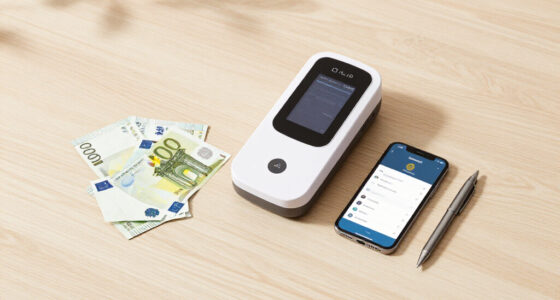
Aneken Money Counter Machine with Value Count, Dollar, Euro UV/MG/IR/DD/DBL/HLF/CHN Counterfeit Bill Detectors,Add and Batch Modes, Cash Counter with LCD Display
- Precise Detection Modes: Detect fake, broken, non-magnetic bills
- Multiple Counting Functions: Count, add, and batch bills
- Manual and Auto Modes: Choose manual or automatic operation
As an affiliate, we earn on qualifying purchases.
As an affiliate, we earn on qualifying purchases.
Recent Trends in Payment Methods in the Eurozone
Over the past decade, digital payments have grown rapidly across Europe, driven by technological advancements and increased smartphone adoption. The European Payments Council and other industry bodies have promoted cashless societies, particularly in urban centers. Nevertheless, the ECB’s latest data shows that cash still accounts for the majority of transactions, especially in rural areas and among older populations.
Previous surveys from the ECB indicated a gradual decline in cash usage, but recent figures suggest the decline has plateaued. The COVID-19 pandemic initially accelerated digital payment adoption, but cash remained resilient, with many consumers and merchants continuing to prefer it.
Experts note that the infrastructure for cash remains robust across the eurozone, with widespread availability of ATMs and banknotes, and that the transition to digital payments is uneven across regions and demographics.
“Cash remains a vital part of the payment landscape in the euro area, valued for its accessibility and security.”
— ECB spokesperson
As an affiliate, we earn on qualifying purchases.
Unclear Future of Cash in the Eurozone
It is not yet clear how long cash will maintain its dominance in the euro area, as digital payment adoption continues to rise. The ECB’s data reflects current trends but does not predict future shifts, and factors such as policy changes, technological developments, or shifts in consumer behavior could alter the landscape.
Additionally, the impact of potential digital currencies or further innovation in mobile payments remains uncertain, and how these might influence cash usage is still developing.
As an affiliate, we earn on qualifying purchases.
Next Steps in Payment Method Evolution
The ECB and national regulators are expected to monitor ongoing payment trends closely, with potential policy adjustments to support financial inclusion and digital infrastructure. Future surveys will clarify whether cash continues to hold its ground or if digital payments eventually surpass it in prevalence.
Meanwhile, banks and payment providers will likely continue investing in digital solutions, but with an awareness of the persistent demand for cash among certain demographics.
As an affiliate, we earn on qualifying purchases.
Key Questions
Will cash eventually be replaced by digital payments?
While digital payments are increasing, current data suggests cash remains the dominant method in the euro area. Its replacement, if it occurs, may take longer than some expect and will depend on technological, regulatory, and consumer preference developments.
Why does cash remain popular despite digital innovations?
Cash is valued for its privacy, security, and accessibility, particularly among older populations and in rural areas where digital infrastructure may be limited.
Could the COVID-19 pandemic have accelerated cash’s decline?
Initially, the pandemic boosted digital payments, but cash usage remained resilient, especially among certain groups, indicating its continued importance.
What role will digital currencies play in the euro area?
The ECB is exploring digital euro options, but their impact on cash usage remains uncertain. Any shift will depend on policy decisions and consumer acceptance.
How does regional variation affect cash usage?
Cash remains more prevalent in rural areas and among older populations, while urban and younger demographics favor digital payments, reflecting diverse needs across the eurozone.
Source: primary
Baby shower & registry season Picks
baby registry must-haves
As an affiliate, we earn on qualifying purchases.