TL;DR
Listen free for 30 days with Audible
Thousands of audiobooks and originals — cancel anytime.
Start your free trialAs an affiliate, we earn on qualifying purchases.
Budget categories might look boring, but they’re key to controlling your spending and saving effectively. Modern tools automate and personalize these categories, turning them into your greatest financial allies and preventing paycheck leaks.
Imagine spending a paycheck without a plan—wasteful, stressful, and unpredictable. Now, picture using simple, tailored categories that tell your money where to go, preventing overspending and building your savings. It sounds dull, but those categories are your secret weapon to keeping your paycheck intact and your financial goals on track.
Most people dismiss budget categories as boring, yet they’re the backbone of real financial control. When done right, they become your best friends—helping you see exactly where your money flows and giving you the power to steer your financial ship.
Personal finance field guide
Budget Categories Are Boring Until They Save Your Paycheck
Budget categories look like dull labels until they start protecting real money. When every dollar has a job, your paycheck stops leaking into impulse buys, late fees, forgotten subscriptions, and “small” treats that quietly become expensive habits.
TL;DR: automate the sorting, personalize the buckets, review the limits, and let categories become the guardrails that keep your savings plan alive.
A monthly limit pushes meal planning and lowers waste.
A cap turns spontaneous splurges into conscious choices.
Boundaries keep fun from quietly draining savings.
Predictable limits help prevent late fees and stress.
Small check-ins catch paycheck leaks while they are still small.
Why the labels work
Categories are psychological boundaries. They turn abstract income into visible compartments, making it easier to pause before spending and easier to protect what matters.
Money gets a destination
Rent, groceries, savings, and bills become named commitments instead of one vague pool of cash waiting to disappear.
Spending gets friction
Seeing a category near its limit makes the tradeoff visible before the purchase, not after the paycheck is gone.
Rules can bend
Good categories guide choices without turning life into a punishment system. Flex funds and monthly adjustments keep the budget realistic.
From paycheck to protection
The system is simple: divide income, automate the tracking, react early, and adjust before overspending becomes debt.
Income lands
Your paycheck enters one clear plan instead of one risky pile.
Jobs assigned
Every dollar gets routed toward needs, goals, fun, or flexibility.
Apps sort
Transactions are categorized automatically so the system stays current.
Alerts fire
Limit warnings create a pause before a category tips into trouble.
Savings hold
Less money leaks out unnoticed, so goals keep compounding.
The five categories that protect paychecks fastest
These buckets catch the most common leaks: food convenience, entertainment drift, delayed bills, and savings that never get transferred.
| Category | Typical monthly budget | Paycheck protection | Risk if ignored | Best tactic |
|---|---|---|---|---|
| Groceries | $300–$500 | ✓Meal planning reduces waste and last-minute expensive trips. | ~Impulse snacks and convenience runs stack up quickly. | Plan three anchor meals and buy bulk staples. |
| Dining Out | $50–$150 | ✓A firm cap makes restaurant spending intentional. | ✗Small takeout orders can erase savings momentum. | Set an 80% alert before the category is exhausted. |
| Entertainment | $50–$100 | ✓Fun stays funded without binge subscriptions or outings. | ~Untracked digital purchases are easy to forget. | Rotate subscriptions and choose low-cost events. |
| Savings & Investments | 10–20% | ✓Automation pays future-you before lifestyle creep begins. | ✗What is not moved first often gets spent later. | Schedule transfers for payday morning. |
| Utilities & Bills | $200–$300 | ✓Limits reduce late fees and make monthly costs predictable. | ~Energy waste and missed due dates create avoidable stress. | Use autopay plus a monthly bill audit. |
Where the boring categories become visible savings
Discretionary spending commonly eats 10–15% of household income. The goal is not to remove joy; it is to stop invisible spending from outranking visible goals.
Engagement spectrum
The sweet spot is personalized but manageable: enough detail to guide behavior, enough flexibility to absorb real life.
Behavioral tricks that keep the system alive
Budgeting sticks when the feedback loop is short. Weekly reviews, alerts, automation, and monthly resets make categories feel less like paperwork and more like financial muscle memory.
Review early
Catch overspending while a quick course correction still works.
Pause sooner
A notification near the limit uses loss aversion before damage is done.
Adjust limits
Real spending patterns keep the budget honest and sustainable.
Link accounts
Automatic updates reduce tracking errors and make avoidance harder.
Automation makes categories less boring
Modern tools use automatic transaction sorting, goal tracking, reminders, and personalization to keep budget categories from becoming stale spreadsheets.
App stack
Mint-style trackers, YNAB-style zero-based budgets, PocketGuard-style spending limits, and Personal Capital-style net worth views all reduce manual categorization.
Reader questions
How many categories should I have?
Aim for 5 to 15. Simple enough to maintain, detailed enough to reveal patterns.
Can I customize my categories?
Yes. Pet expenses, travel funds, coffee, childcare, gifts, and hobbies all work better when they match your real life.
What is the best discipline system?
Use weekly reviews, 80% alerts, automated transfers, and monthly category resets.
How do I handle surprise expenses?
Keep a flex category and emergency fund so one weird bill does not wreck the whole plan.
Traceability chain
Budget categories save your paycheck because they connect everyday spending to measurable protection.
Key Takeaways
- Properly designed budget categories act as a financial shield, stopping your paycheck from leaking into unnecessary expenses.
- Automation tools make categorizing expenses effortless and more accurate, increasing your chances of sticking to your budget.
- Personalizing categories to your lifestyle increases engagement and makes budgeting less boring.
- Regular review and alerts turn budgeting into a habit that protects your paycheck monthly.
- Focusing on key categories like groceries, savings, and bills can lead to noticeable paycheck savings.

Sooez Budget Binder with Money Saving Challenge, Money Saving Binder with Cash Envelopes, Expense Sheets, Challenge Tracker & Category Labels, Envelope Savings Challenges Book for Home Office School
- Complete Savings System: Includes binder, envelopes, sheets, and stickers
- Money Saving Challenge: Gamified goals for $1000, vacation, Christmas
- Easy Cash Allocation: Labels and stickers for organized budgeting
As an affiliate, we earn on qualifying purchases.
As an affiliate, we earn on qualifying purchases.
Why Budget Categories Are the Unsung Heroes of Your Finances
Budget categories are the labels that break your income into manageable chunks—like rent, groceries, entertainment, or savings. Think of them as the compartments in a toolbox; each serves a specific purpose, preventing your money from spilling everywhere.
But why do these labels matter beyond just organization? They tap into our psychological tendency to compartmentalize, making spending decisions more deliberate. When you see your money allocated to specific categories, it reinforces a mental boundary—helping you resist impulse spending that can derail your financial plans. This segmentation fosters a sense of control and accountability, which is crucial for long-term financial discipline. The tradeoff? Overly rigid categories may sometimes lead to frustration if unexpected expenses arise, so flexibility is key. Nonetheless, understanding their psychological power helps you appreciate why proper categorization can significantly influence your financial habits.

Mastering Expense Tracking and Budgeting Apps: Automated Tracking and Financial Planning
As an affiliate, we earn on qualifying purchases.
As an affiliate, we earn on qualifying purchases.
How Proper Categories Prevent Your Paycheck from Vanishing
Properly set categories act like a shield—blocking your money from disappearing into impulse purchases or unexpected costs. When you assign every dollar a purpose, it’s harder to overspend because your spending is aligned with your priorities. This strategic allocation creates a mental barrier against frivolous expenses, making you more conscious of each dollar spent. The implication? You’re less likely to dip into your savings or rack up debt just because money is available. However, the tradeoff is that overly strict categories can sometimes cause stress or feelings of deprivation, especially if unexpected needs arise. The key is balance—using categories to guide spending while allowing some flexibility for life’s unpredictability. This approach not only preserves your paycheck but also nurtures financial resilience and discipline, empowering you to adapt without losing sight of your goals.

Money Skills for Young Adults: A Beginner’s Guide to Smart Financial Habits, with Simple Tools to Manage Your Budget, Save for Goals, Invest, and Build Your Independent & Secure Future
As an affiliate, we earn on qualifying purchases.
As an affiliate, we earn on qualifying purchases.
The Top 5 Budget Categories That Save Your Paycheck Instantly
| Category | Typical Monthly Budget | Why It Saves You Money |
|---|---|---|
| Groceries | $300–$500 | Prevents impulse buys, meal planning reduces waste, and helps avoid last-minute expensive shopping trips. When you set a limit, you’re encouraged to plan meals, buy in bulk, and choose cost-effective options, which cumulatively save hundreds over time. |
| Dining Out | $50–$150 | Limiting dining out curbs spontaneous splurges that can quickly blow your budget. When you allocate a specific amount, it encourages home cooking, which is often healthier and cheaper, leading to consistent savings and better health choices. |
| Entertainment | $50–$100 | This category keeps entertainment spending in check, preventing binge streaming, frequent outings, or gadget purchases from eroding your savings. It pushes you to find free or low-cost alternatives, stretching your entertainment dollar further. |
| Savings & Investments | 10-20% of income | Automating savings ensures you pay yourself first, reducing the temptation to spend what should be saved. This discipline accelerates wealth building and cushions against future financial shocks, but it requires prioritization and sometimes tradeoffs with current consumption. |
| Utilities & Bills | $200–$300 | Setting limits here helps avoid late fees, service interruptions, and the temptation to waste energy. It encourages energy efficiency, which can lower bills over time, and keeps your budget predictable, reducing financial stress. |
By sticking to these categories, you see real savings—money stays where it belongs, not leaking out unnoticed. The deeper benefit is cultivating mindful spending habits that reinforce financial stability and growth.
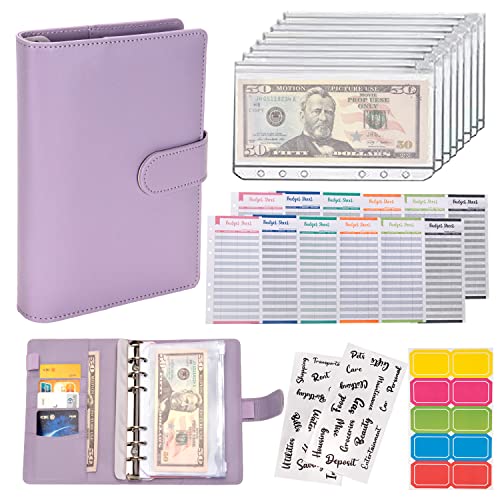
NICOOTH Budget Binder A6 Money Saving Binder with Zipper Cash Envelopes
- Stylish Budget Binder: PU leather with cash envelopes and labels
- Great Gift Idea: Ideal for family, friends, and children
- Portable and Lightweight: Fits in bags, backpacks, and suitcases
As an affiliate, we earn on qualifying purchases.
As an affiliate, we earn on qualifying purchases.
Automate and Personalize Your Budget Categories for Less Boredom
Automation makes managing categories almost effortless. Use apps like Mint, YNAB, or PocketGuard—they automatically sort transactions, so you don’t have to. This automation reduces manual tracking errors and minimizes the temptation to ignore or forget about categories, leading to more consistent adherence. It also provides real-time feedback, helping you adjust before overspending occurs. Personalizing categories also boosts relevance. If you’re a pet owner, create a category for pet expenses. Love traveling? Set a travel fund. When your categories match your lifestyle, they become less boring and more motivating because they directly relate to your goals and interests. This relevance increases engagement and makes budgeting feel less like a chore. For example, I set up a ‘Coffee’ category for my daily espresso—$4 a day adds up fast. When I see it in my app, I think twice before ordering that fancy latte, which helps me save hundreds annually.
Behavioral Tricks to Keep Your Budget Categories Working for You
Sticking to categories is easier when you turn them into habits. Here are simple tricks that leverage behavioral science:
- Review your categories weekly—this habit helps you catch overspending early, preventing small leaks from becoming big holes.
- Set alerts for when you’re nearing limits—this taps into the psychological principle of loss aversion, motivating you to stay within bounds.
- Adjust categories monthly based on actual spending patterns—this keeps your budget realistic and prevents frustration from outdated limits.
- Link your bank accounts for real-time updates—this creates a seamless connection that reinforces accountability and makes tracking effortless.
For example, I get a notification when I hit 80% of my dining out budget. That quick alert makes me pause and reassess—saving me from going overboard. These habits, rooted in behavioral science, turn budgeting from a chore into a natural part of your routine, making your paycheck last longer and work harder for you.
Frequently Asked Questions
How many categories should I have?
Aim for around 5 to 15 categories that reflect your lifestyle. Keep it simple enough to manage but detailed enough to track your spending effectively.Can I customize my budget categories?
Absolutely. Custom categories make budgeting more relevant. Most apps allow full personalization, so you can tailor them to your specific expenses and goals.What’s the best way to stay disciplined with my categories?
Set weekly reviews, use alerts for overspending, and automate transactions. Turning these into habits keeps your paycheck protected and your budget on track.Are there tools that automate categorization?
Yes, apps like Mint, YNAB, PocketGuard, and Personal Capital use AI to automatically sort transactions, saving you time and reducing errors.How do I handle unexpected expenses within my categories?
Build a buffer in your budget or create an emergency fund. Flexibility in your categories helps absorb surprises without wrecking your overall budget.Conclusion
Budget categories might seem dull at first, but they’re your secret weapon against paycheck erosion. When you set, automate, and review them, they transform into powerful shields—guarding your hard-earned money.
Remember, the real magic happens when you see your paycheck stretch further, thanks to smart categorization. So, make your categories work for you—your wallet will thank you.
Back to school Picks
back to school
As an affiliate, we earn on qualifying purchases.