TL;DR
Emdoor announced the launch of its ‘Ailyn’ AI Hub at WAIC 2026, designed to unify AI capabilities across various devices. The platform aims to enhance interoperability and streamline AI integration. The full impact and adoption timeline remain to be seen.
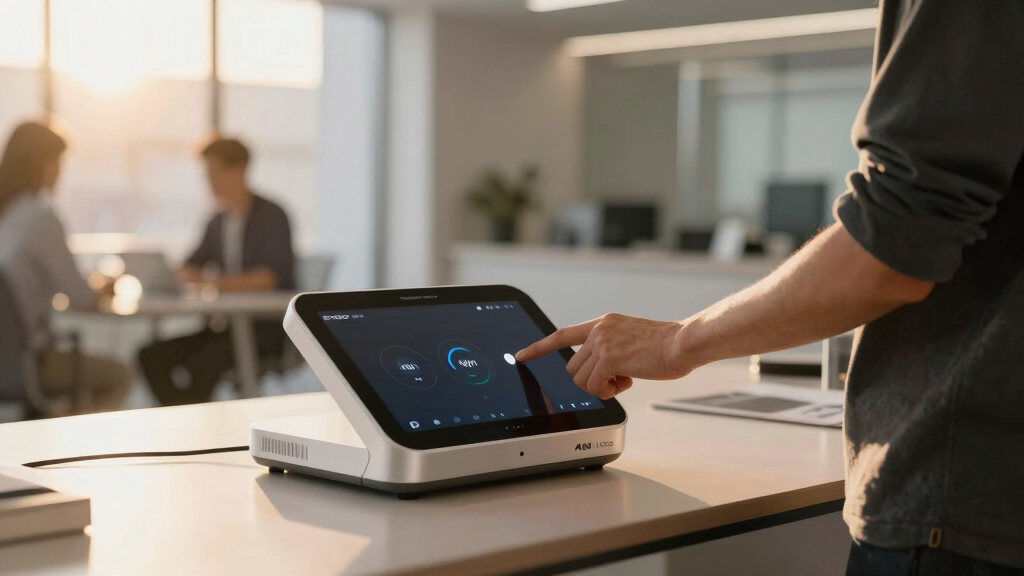
Emdoor has officially launched its ‘Ailyn’ AI Hub at the World Artificial Intelligence Conference (WAIC) 2026, aiming to create a unified AI platform that integrates intelligence across all devices and applications. The announcement underscores Emdoor’s strategic move to position itself as a leader in AI ecosystem integration, with the platform designed to enhance interoperability and streamline AI deployment.
The ‘Ailyn’ AI Hub is described by Emdoor as a comprehensive platform that consolidates AI functions to operate seamlessly across smartphones, IoT devices, and enterprise solutions. The company states that the platform will enable developers to build, deploy, and manage AI models more efficiently by providing a unified interface and ecosystem.
According to Emdoor’s spokesperson, the ‘Ailyn’ platform aims to reduce fragmentation in AI deployment and foster collaboration among hardware manufacturers and software developers. The company emphasized that this initiative is part of its broader strategy to accelerate AI adoption and integration across various sectors.
While Emdoor has shared technical details about the platform’s architecture and capabilities, specific timelines for widespread adoption or integration with third-party devices have not yet been announced. The company plans to roll out the platform to select partners in the coming months.
Implications of ‘Ailyn’ for AI Ecosystem Integration
The launch of ‘Ailyn’ represents a significant step toward unifying AI capabilities across diverse devices, potentially simplifying development processes and improving user experiences. If widely adopted, it could influence industry standards and accelerate the deployment of intelligent solutions in consumer, enterprise, and IoT markets. This move also positions Emdoor as a key player in shaping the future of integrated AI ecosystems, which could impact competitors and partners alike.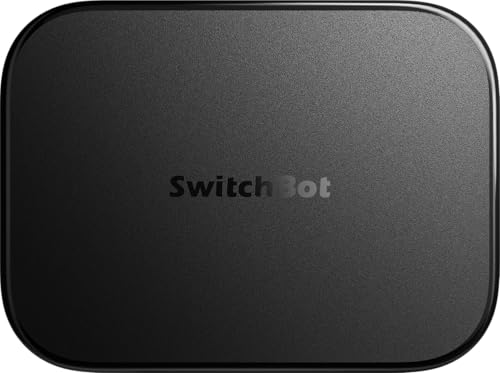
SwitchBot AI Hub, AI Smart Home Hub with OpenClaw Support, Local NVR Camera Storage, Home Assistant Pre-Installed, Matter Bridge, Dual-Band Wi-Fi, 16GB MicroSD Included
OpenClaw Support Built In: AI Hub supports OpenClaw at home, connecting supported cameras and smart devices so compatible…
As an affiliate, we earn on qualifying purchases.
As an affiliate, we earn on qualifying purchases.
Emdoor’s Strategic Push in AI Ecosystems
Emdoor has been increasingly active in the AI and IoT sectors, aiming to expand its influence through integrated platforms. The company previously announced various hardware and software initiatives designed to enhance AI deployment and interoperability. The ‘Ailyn’ platform at WAIC 2026 marks a notable escalation in its efforts to unify AI across different device categories, aligning with broader industry trends toward seamless AI ecosystems.
Prior to this launch, industry players have highlighted the fragmentation in AI platforms, which hampers development and user experience. Emdoor’s initiative appears to directly address these challenges by offering a centralized hub for AI functions, potentially setting new standards for device interoperability.
“‘The Ailyn AI Hub is designed to unify AI across all devices, simplifying development and deployment for our partners and customers.'”
— Emdoor spokesperson
universal AI integration platform
As an affiliate, we earn on qualifying purchases.
As an affiliate, we earn on qualifying purchases.
Unconfirmed Details on Adoption and Integration Timeline
It is not yet clear when and how broadly the ‘Ailyn’ AI Hub will be adopted by third-party device manufacturers and developers. Emdoor has announced intentions to roll out to select partners but has not specified a timeline or the scope of integration. The extent of compatibility with existing AI platforms and future updates remains to be seen.
Additionally, the specific technical standards and whether the platform will support all major AI models and frameworks are still under development. Industry observers are awaiting further details from Emdoor on these points.

Energy Conservation for IoT Devices: Concepts, Paradigms and Solutions (Studies in Systems, Decision and Control, 206)
As an affiliate, we earn on qualifying purchases.
As an affiliate, we earn on qualifying purchases.
Next Steps for ‘Ailyn’ Deployment and Industry Adoption
Emdoor plans to begin pilot programs with select partners in the coming months, aiming for initial deployment by mid-2026. The company also intends to release detailed developer documentation and APIs to facilitate integration. Industry analysts will be watching for announcements regarding collaborations, compatibility, and real-world applications over the next quarter.
Further updates are expected at upcoming industry events and in Emdoor’s official communications, which will clarify the platform’s adoption scope and strategic roadmap.

Mobile App Development with Flutter and AI: A Complete Beginner's Guide to Building Android and iOS Applications Using Dart, Firebase, APIs, and Modern AI Tools
As an affiliate, we earn on qualifying purchases.
As an affiliate, we earn on qualifying purchases.
Key Questions
What is the main purpose of the ‘Ailyn’ AI Hub?
The ‘Ailyn’ AI Hub is designed to unify AI capabilities across various devices and platforms, making development and deployment more streamlined and interoperable.
When will ‘Ailyn’ be available for widespread use?
Emdoor has announced pilot programs with select partners starting soon, with broader deployment expected in the second half of 2026. Specific timelines are yet to be confirmed.
Which devices or platforms will support ‘Ailyn’ initially?
Details are still emerging, but initial support is expected for Emdoor’s own hardware and select partner devices. Compatibility with other ecosystems will depend on future collaborations.
How might ‘Ailyn’ impact the AI industry?
If widely adopted, ‘Ailyn’ could reduce fragmentation in AI development, facilitate cross-platform integration, and accelerate innovation in consumer, enterprise, and IoT markets.
Source: primary